|
|||||||||
“Beka!” (“enough”)./Ga’e/ Will Ethiopia be next?
Reply

|
|||||||||
 (ቄሮ – የኦሮሞ ወጣቶች ዜና, አዳማ, 25/05/2011) የዘረኛውና አምባገነኑ የወያኔ አገዛዝ የህዝብን የትኩረት አቅጣጫ ለማስቀየር በሚል ከቅርብ ጊዜ ወዲህ የለቀቀው የአባይ ግድብ ዜማ እያስመረረ የሚገኝ ሲሆን፣በቀጣይ የተማሪዎች የእረፍት ወቅትን ተከትሎ ለሁለተኛ ደረጃ ተማሪዎች “ስለ አብዮታዊ ዴሞክራሲ የፖለቲካ ፍልስፍና እና በኢትዮጵያ ስላስገኘው ልማት” ለተማሪዎች ሥልጠና ለመስጠት ዝግጅቱን ማጠናቀቁን አሳወቁ።
የኢህ አዴግ መንግስት በድንገት ትምህርት ሚንስቴር ዓመታዊ የትምህርት መርሃ- ግብሩን በአስቸኳይ እንዲያቋርጥና ወደ ፈተና ዝግጅትና ትግበራ እንዲገባ ባለፈው ሳምንት መመሪያ አስተላልፎለታል።
በዚህ ድንገተኛ ውሳኔ የተደናገጠው ትምህርት ሚኒስቴር በበኩሉ ሣይውል ሳያድር ለየመሰናዶና ሁለተኛ ደረጃ ትምህርት ቤቶች ርእሰ መምህራን በጻፈው አስቸኳይ ደብዳቤ መምህራን የሚያስተምሩትን ትምህርት አቋርጠው ወደ ፈተና ዝግጅት እንዲጣደፉ በፋክስና በስልክ በአስተላለፈው መልዕክት ላይ አዟል፡፡
በዚህ መሰረት የመሰእናዶ ትምህርት (ፕሪፓራቶሪ ክላስ) ከግንቦት 20 ቀደም ብሎ እንዲገባደድ ; የሁለተኛ ደረጃ ትምህርት ደግሞ እስከ ግንቦት 30 ድረስ እንዲጠናቀቅ የሚያሳስብ አስቸኳይ መመሪያ አውርዷል።
በዚህ ውሣኔ መሠረትም ያልተጠናቀቁ ዓመታዊ የሁለተኛ መንፈቀ ዓመት የትምህርት ካሪኩለሞችን በማሟላት ላይ የነበሩ የ12ኛ ክፍል የመሰናዶ ተማሪዎች ከትላንት ሰኞ ግንቦት 15 ቀን ጀምሮ ያልተጠናቀቁ ትምህርቶቻቸው ተቋርጦ የማጠቃለያ ፈተና እንዲጀምሩ ተደርጓል።
በሌላ በኩል ደግሞ በሰሜን ሸዋ የሚገኙ የ8ኛ ክፍል ተማሪዎች ለአባይ ግድብ ማሰሪያ የሚሆን ቦንድ ካልገዘችሁ ወይም ገንዘብ ካላዋጣችሁ ሞዴል ፈተና አትፈተኑም መባላቸውን ዘጋቢያችን ከስፍራው ባስተላለፈልን ዘገባ ገልጿል።
በዘገባዉ መሰረት ተማሪዎቹ የ8ኛ ክፍልን ሞዴል ፈተና ለመውሰድ ከመቀመጣቸዉ በፊት “ለህዳሴዉ ግድብ” ማሰሪያ የሚሆን ቦንድ ግዙ ተብለዉ ሲጠየቁ “እኛ ገንዘብ የለንም ወላጆቻችንም ገንዘብ የለንም ብለውናል” ብለዉ ሲመልሱ ፈተና አትፈተኑም በመባላቸዉ በወላጆችና በትምህርት ቤቶች መሃል ትልቅ ውዝግብ ተፈጥሮ እንደነበር የደረሰን ዜና ያመለክታል።
በሌላ በኩል ደግሞ እንደተማሪዎቹ ሁሉ ቦንድ ካልገዛችሁ ተብለዉ የተጠየቁት መምህራን በአገሪቱ ባለው የኑሮ ውድነት ምክንያት ገንዘብ ለማዋጣት ፈቃደኛ አለመሆናቸውን ቢገልጹም የዘረኛው አገዛዝ ካድሬዎች አሻፈረን በማለት የማስገደድ ስራቸውን መቀጠላቸውን የደረሰን ዘገባ ያስረዳል።
የዘረኛውና አምባገነኑ የወያኔ አገዛዝ የህዝብን የትኩረት አቅጣጫ ለማስቀየር በሚል ከቅርብ ጊዜ ወዲህ የለቀቀው የአባይ ግድብ ነጠላ ዜማ እጅግ እያስመረረ የሚገኝ ሲሆን፣ የአገዛዙ ቁንጮ የሆነዉ መለስ ዜናዊ ከግብጽ መንግስት ጋር ባደረገው ስምምነት የግድብ ስራው ግንባታ ላልተወሰነ ጊዜ እንዲራዘም ማድረጉንም አይዘነጋም።
 (Qeerroo, Adaamaa, Oromiyaa, 25 Caamsaa 2011) Sirna Wayyaaneef ergamaa gaarii ta’ee barattoota hiisisaa fi ajjeechisaa kan ture, hogganaan Univarsitii Adaamaa aangoo irraa kaafamee mana hidhaatti darbame; bakka isaa immoo ergamtichi OPDO Tolaa Badhaasaa jedhamu ramadamee jira.
Qeerroon maddi oduu isaa irraa akka mirkaneeffatetti, ergamtooti mootummaa wayyaanee fi humnooti tikaa dhimma jeequmsaa fi nyaata summaa’ee irratti waldhabdee wal unkuraa jirti.
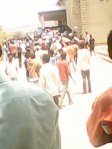
Adama Uni Students up rising
“Waan mana barumsaa sana ilaalchisee caasaan wayyaanee wal’lolaa jiru.Bulchiinsa University kan ture sana kaasanii gurbaa OPDO Tolaa Badhaasaa jedhamu bulchiinsa mana barumsaa sana godhanii jiru,” kan jedhe maddi qeerroo, kun immoo waan summii sana beekaa akka raawatameefi waan itti damaqamaa jiruuf jarreesana naannoo sanaa fageessuuf kan hojjatame ta’uun hubatamee jira.
Yeroo ammaa kanatti, “waanti haaraan moora keessa jiru dhimmuma barattoota dhukkubsatanii ti,” kan jedhe miseensi qeerroo tokkos, haala kana ilaalchisee Doctooronni barattoota kana yaalan ‘garaa keessan miiccadha kana ta’uu baannan hamma wagga 5tti dhukkunbi kun isin hin gadhiisu,’ akka jedhanii ibsee jira.
Sababa kanaan barattootni kaan gara mana isaaniiti barumsa dhiisanii galanii jiru; kaan immoo mana yaalaa gurgudda ciisanii akka jiran kan ibse odeessi kun, Ijoolleen summii sana nyaatte sun hedduu akka miidhamaniifi qaamni isaanii akka kokotaa’aa jiru, keesattuu naannoo jilba ,Ciqilee fi Dugda isaanii akka miidhaman himaa jiru; dhimma kana ilaalchisees haalli falmii barattootaa itti fufa jedhamee jira.
Sababa kanaaf piresedantii moorichaa kan ture Dr Bekele kan jedhamu,ergamaan wayyaanee aamgoo irraa kaafamee gara mana hidhaatt darbatamee jira; wayyaanotaanis akka malee kan qeeqame yoo ta’u, “dhimma barattoota kana ilaachisee to’annaan kee dadhabaa dha,” jedhamee jira.
“Nuti immoo bakka jirutti nagaadha,” kan jedhan miseensoti qeerroo, yeroo ammaatti websiten qeerroo barattoota mooraa guutuu biratti akka dubbifamaa jiruu ibsanii, “odeessa qeerroon dabarsaa jiru barattooti hundi dubbisaa jiru; nutis arginee jirra; baayee kan nama gammachiisudha,” jedhanii jiru.
Dameen walqunnamtii Qeerroo gama isaatiin, hojiin qeerroo kan mandi’ee mul’ate hirmaannaa qeerrootiin ta’uu hubachiisee, dhimma kanas daran babal’isuuf yeroo ammaa kanatti website Qeerroo: https://qeerroo.wordpress.com san ol guddisuufi wayyeessuuf hojjachaa waan jiruuf miseensoti Qeerroo bakak jiran maratti dammaqinaan odeeffannoo argatan gara wiirtuu qeerrootti karaa e-mail qeerroo2011@gmail.com akka dabarsan dhaamee jira.
Gama biraatiin, magaalli Finfinnee yoomiyyuu caalaa eegumsaan cinqamtee akka jirtu hubatamee jira. Miseensoti Qeerroo marsaa walmarii hiriyootaa irratti akka waliif dhaamanitti, yeroo ammaa kana sochiin nama hundaa tuhatamaa dha; waraanni, foolisaa fi warra tikaa gamtaan eegamsa sardaatti seenanii jiru. Eeggumsi kun tarii waanuma ayyaana isaanii kana waliin wal qabatee tahuu mala kanneen jedhanis ni jiru.
qeerroo has started a video collection on Vodpod, you should check it out. You can follow qeerroo on Vodpod to keep track of the videos qeerroo collects, recommends, and comments on at Vodpod.com.
Follow qeerroo’s videos, and collect and share your own videos with your friends. It’s free!
Qeerroo has collected 6 videos, including:
 |
Diddaa Uni Adaamaa Collected by 1 person · 0 views |
 |
Oromiyaa Haaraa Collected by 1 person · 9 views |
 |
Qeerroo Bilisummaa Collected by 1 person · 7 views |
 |
Hawwisoo Bilisumaa Collected by 1 person · 5 views |
Get started by following qeerroo here. It’s easy and free!
Follow qeerroo here
Best,
Qeerroo Video

 (Odeessa Qeerroo, Ciroo, Oromia, Caamsaa 23, 2011)Oromiyaa keessatti Fincilli Diddaa mootummaa TPLF itti fufuun Harargee Dhihaa magaalaa Ciroo keessatti itti Caamsaa 23,2011 itti fufee oole.
Fincilli Dargaggoota Oromoo fi ummata Oromoo naannoo Ciroon kan qindaawe yeroo tahu jalqaba gaafa guyyaa Kamisa darbee Caamsaa19-05-2011 saganteeffame ummtni walitti yaaée. Guyyaa kana roobni (bokkaan) guddaan waan roobeef odoo akka yaadan hin tahin ummanni sababa roobaatiin ykn bokkaatiin adda bahe.
Hará Caamsaa 23-05-2011 immoo ummanni naannoo hundarraa yeroon walitti dhufe hiriira isaa jalqabe itti jira.
Yeroo kanattis warri Wayyaanee humna waraanaa naannoo san qubachiisee jiruu fi loltoota hidhannoo guutuun fi meeshaa qabatan dabalataa ummatatti bobbaasuun reebichaa fi dhitichaan ummata naannoo irraa ari’uuf yaaluu malee gaaffiin ummata kanaa maali jedhanii dhagahuufis tahe deebisuuf tasumaa gurra hin ergifne.
Kanas tahee mootummaan TPLF humna guddaa itti bobbaasee hiriira kana addaan dhorkuuf yaalii guddaa godhee ture, Ummanni Oromoo hiriira kana irratti argaman garuu, Oromiyaan ni bilisoomti!, lafti kan abbaa biyyaatti, qabeenyi Oromoo hin saamamu! Ifii hagabnee diina hin nyaachifnu. Gabrummaan nu gahe fi kkf dhadannoo dhageessisaadhaa turan.
Gama boodaa waraanni TPLF human dabalataan dhufee ummata reebichaa fi lafa irra harkisuun naannoo san irraa deemsisuu haayalu iyyuu malee finccilli kun yeroo gabaabaa keessatti akka qindaayee itti fufu beekkamee jira.
Beekaas ta’e osoo hin beekiin waan balleessaa turre irraa deebine.
(Odeessa Qeerroo, Ciroo, Oromia, Caamsaa 23, 2011) Beekaas tahe wallaalummaan diinaaf ergamtuu tahanii lammii isaanii kanneen basaasaa bahan ilmaan Oromoo haalli itti turan miidhaa saba isaanii fi mataa isaanii irrattis akka fidu beekanii gara daandii warraaqsaatti deebi’uuf jecha of qajeelchan; Sochii Qeerroo waliinis dhabbatanii kaayyoo qabsoo ummata Oromoo bakkaan gahuuf murteeffachuu isaanii Sochii Warraaqsa Qeerroo Shawaa Kaabaa jirutti of beeksisan.
Wallaalummaa irraan kan ka’e lubbuu fi maatii keenya jiraachisuuf jecha baroota dheeraaf ummata keenya basaasuun diinaaf kennaa turreerra,bultii keessa yeroo laalaa deemnu jireenyi ummata keenyaas tahe maatii keenyaa akkasumas guutuun Oromiyaa gadi deebi’uu fi gara badiinsaatti yeroo deemu argaa jirra.
Biyya dhalanne irratti guddaan nama keenyaa yeroo salphatu,shammarraan Oromoo gadaantummaan yeroo cunqurfaman,qabeenyi biyya Oromoo samamee yeroo dhumu,hiyyummaan akka hiree Oromoo taheetti haamleen nu cabee jiraachuu yeroo dadhabnu argaa jirra.
Kana ammoo kan godhe nu warra ergamtuu diinaa taanee diinaaf ulee ta’uun yakka seenaa keessatti guddaa tahe raawwataa bane.
Hojiin Qeerroo fiixa ni baha!
Oromiyaan ni bilisoomti!
(Qeerroo News, Adama, Oromia, May 22, 2011)Student’s anger ignited by the food poisoning, as a result of which many have been admitted to hospital, is mounting to full scale student resistance to the regime on power.
Adama Uni Students up rising
A mediation attempt by Former President of Oromia regional state and current minister of Civil Service, Junedin Sado, was rejected by angry student in Adama University.
Mr. Junedin arrived after the army raided the campus and students were hospitalized due to the poisonous food and an attack by security peoples.
Accordingly when he tried to approach to convince students, the angry protesters responded saying “after poisoning us, invading our campus and put in place the marshal rule, what do you want from us?”
The puppet of the TPLF led ERRDF government Mr. Junedin was ashamed by further comments like “thief, thief”, “Go away, Go away”.
The students were also protesting and chanting about the food crisis and the cost of living in the country.
@ Qeerroo 2011
 (Qeerroo News, Adama/Oromia, May 23, 2011) In a serious of protest ignited by food poisoning, inflating food prices and living cost and human right abuse in the country; many were imprisoned, other hospitalized but the rest are keeping up the pace of their protest against the regime.
The communication infrastructures were taken down by the regime and it was impossible to communicate on the internet and the phone. Due to the high tension, it was also difficult to go out of the campus.
On Friday May 20, 2011, around 12 AM, when the angry students demonstrate in the campus police cars were destroyed, security officers attached and library was destroyed.
Immediately 5000 federal police force out numbering students broke in to the campus arresting many of them. For hours the students were engaged in stone fight with the huge police force that invaded their campus but the police responded in unbalanced and heavy crackdown.
Many were bitten and more than 20 were imprisoned. Students when taken by the police cars were heard chanting for freedom and their cause.
Students continued chanting “thief, thief government…”, while Oromo students chanted “OLF, OLA, Raise up Qeerroo” the voice and picture of the scene was also recorded.
Qeerroo, a Gadaa based National Youth Movement for Freedom and Democracy, is a group of young pro-Freedom and Democracy and Human rights activists came together in order to support each other, build solidarity, and develop sustainable democracy and human rights movements by empowering a younger generation in democratic rights and value.
@Qeerroo 2011
 1. Whereas the TPLF/EPRDF regime has been ethno-centric both in its Stalinist organizational structure and the socio-political agendas it promotes; Whereas its loudly self eulogised federal structure of the country has become nothing but only a divide and rule system; Whereas it has mainly been targeting the oppressed nations and nationalities like the Oromo, Ogaden, Sidama and other peoples of the south as its primary enemies.
Therefore, we demand that the regime immediately stop the twenty years of continued Military Campaign in Oromia, Ogaden and other oppressed areas to forcefully silence the legitimate demands of these peoples.
2. Whereas Meles Zenawi has managed to cling on to power for the last two decades only through mass repression and oppression; Whereas Mr. Zenawi’s system of rule has been marked by unparalleled massive and persistent human rights violations (mass harassment, displacement, torture, imprisonment and killing of citizens); Whereas there are still tens of thousands of individuals languishing in Meles Zenawi’s prison as prisoners of conscience.
Therefore, we urge for an immediate and unconditional release of all political prisoners. We demand that especially the prison Maikelawi (central investigation prison), a traditionally established central chamber of torture, mutilation and slaughtering of human beings, be immediately dismantled and closed for ever.
3. Whereas Meles zenawi’s government continues to be bragging about an unseen rate of economic growth, sheer existence has virtually become impossible for the majority of Ethiopians. Whereas today inflation and scarcity have become acute to the extent of making life impossible even for the so called urban middle class society as a result of misguided economic policy of the regime; Whereas disease, illiteracy, hunger and famine remain to be the mark of Ethiopian overall social economic life.
Hence, we urge for an immediate supply of basic goods such as sugar, oil and bread for the people by the government while in the meantime the market and all related economic policies be corrected and rectified.
4. Whereas there is no a sphere of social life that Mr. Zenawi’s regime didn’t encroach into, more is so with the economy; Whereas it is a public secret that virtually all major economic institutions are owned by TPLF’s oligarchy known as EFFORT and controlled by Azeb Mesfin, the wife of the Prime minister.
We demand that all the so called private properties of Zenawi’s family be confiscated and further investigation be undertaken into the yet unknown level of corruption by the family and close associates.
5. Whereas Ethiopia is an agrarian society where more than 90% of the population earn their means of life through farming; Whereas the motto “Land to the Tiller” has been the major rallying and unifying political demand of the entire Ethiopian peoples in the 1960s and early 70s that culminated in the 1974 Ethiopian Revolution and hence brought about the demise of emperor Haile-Sillasie and his dynasty; Whereas once again we are in a Zero-sum-Game situation as the TPLF regime started pursuing what is known as the Land-Grabbing-Policy; Whereas the currently and widely practiced Land-grabbing-policy of the TPLF regime would lead to mass dispossession, displacement, unemployment, socio-economic alienation and modern slavery by global economic powers.
Therefore, we demand that the policy immediately be stopped and that all international agreements made so far be annulled in effect.
6. Whereas Ethiopia has been downing from bad to worst in it’s over all political, social and economic system for the last 20 years; Whereas the political system is marked by a Stalinist conception of a holistic state, where power division is utterly absent and hence no real distinction between the legislative, judiciary and the executive bodies; Whereas Prime Minister Meles Zenawi is the melting pot of all those powers as a person, as the case has always been with all Stalinist regimes; Whereas Meles Zenawi has never been elected but only selected by the Stalinist state apparatus he himself created.
Therefore, we demand Prime Minister Meles Zenawi immediately leave his office and relinquish his state power.
7. Whereas the TPLF/EPRDF ruling party claimed in the last May 2010 election a landslide victory with 99.6% in a country where there have been more than 90 legally registered and competed opposition parties; Whereas the election board is just an extended hand of the ruling party; Whereas the national treasury, the Media, the federal police and security forces have always been directly used by the ruling party for facilitating the landslide victory the regime claimed; Whereas, in the face of all these, electoral politics have been nothing but a mockery and sham.
Therefore, we demand that both chambers of parliament be immediately dissolved. We want a transitional government be constituted from all major liberation movements and opposition political organizations towards instituting social justice and democracy.
Freedom, Liberty and democracy shall prevail!

 QEERROO